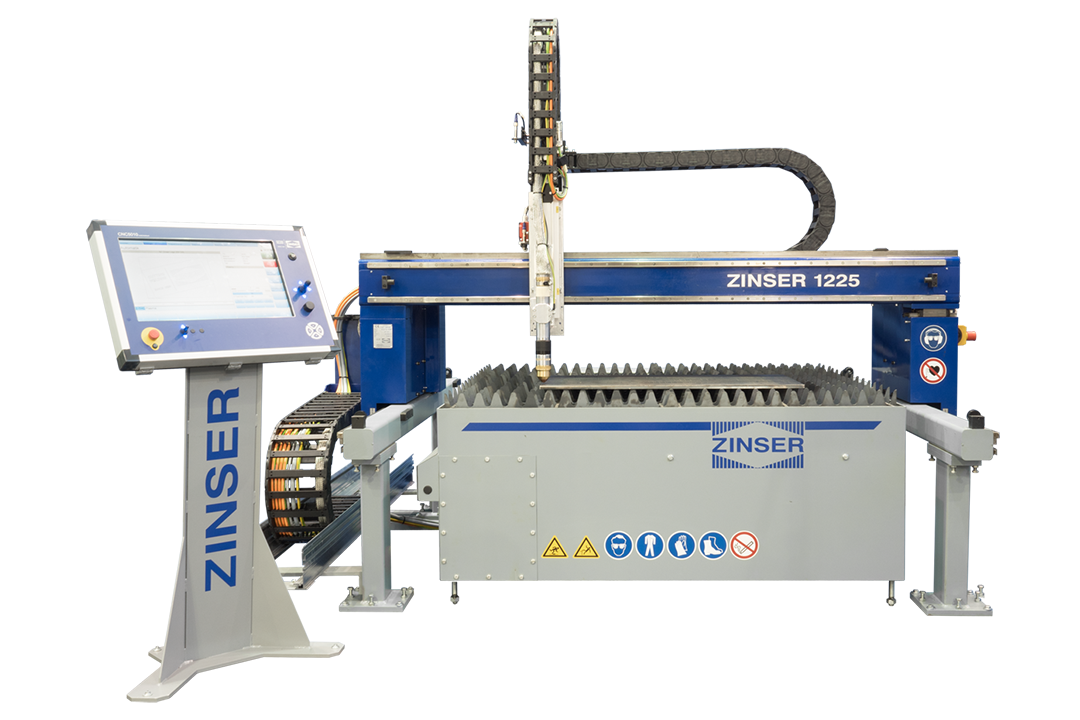

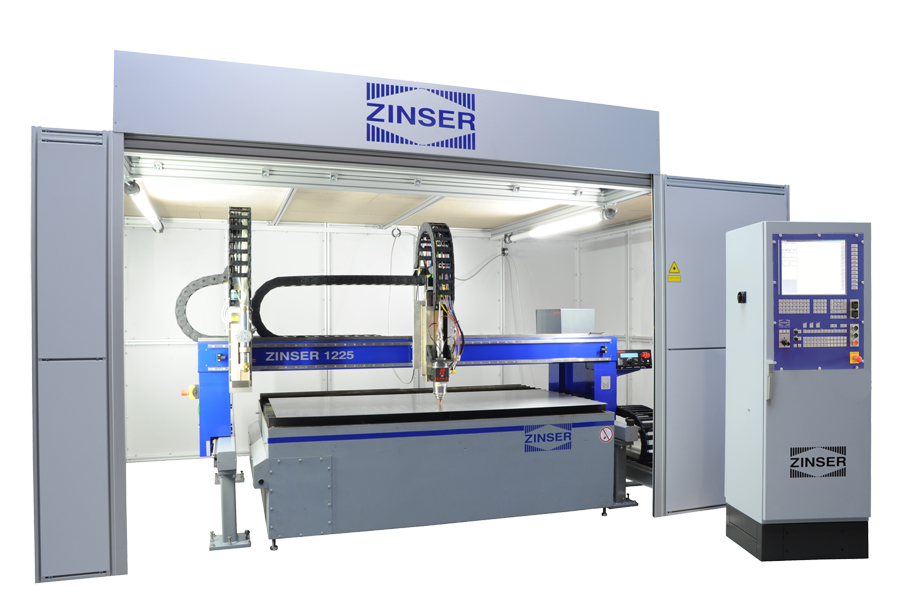
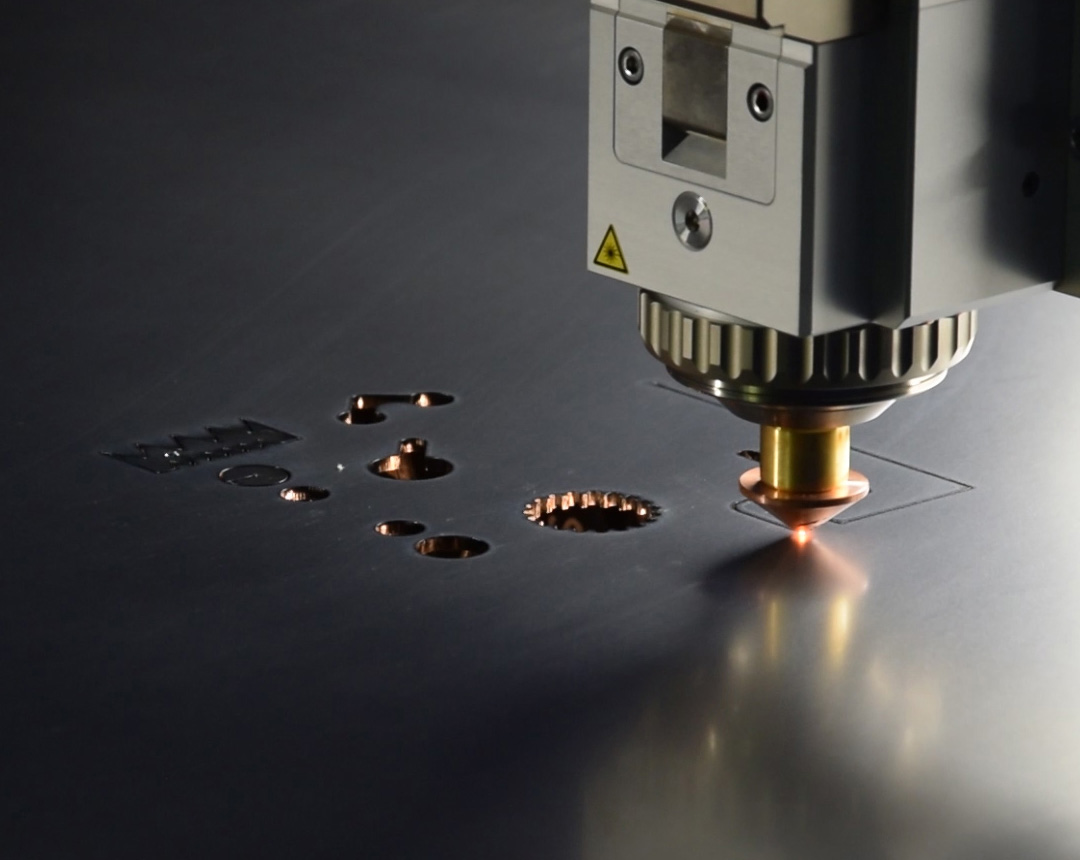
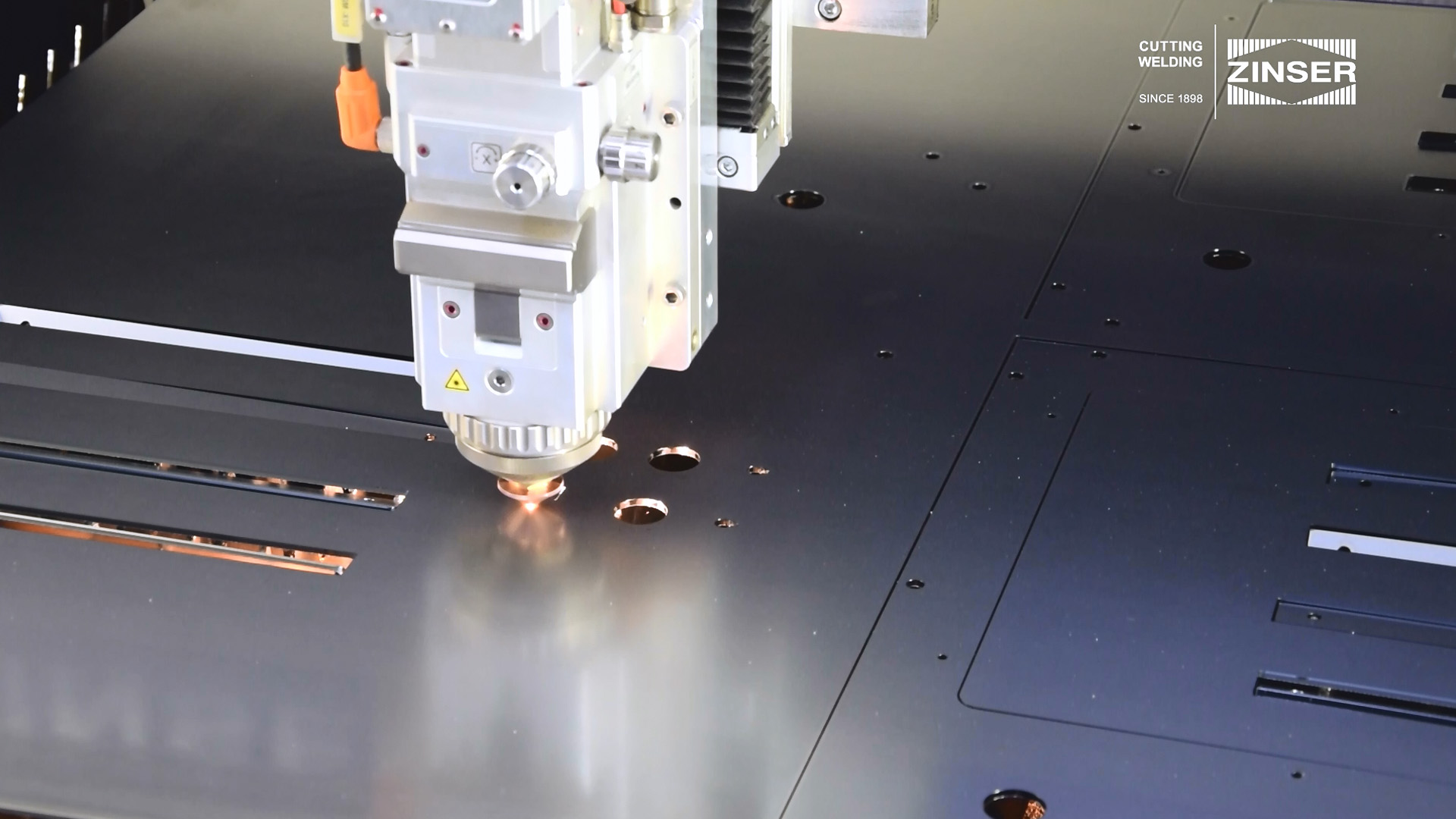
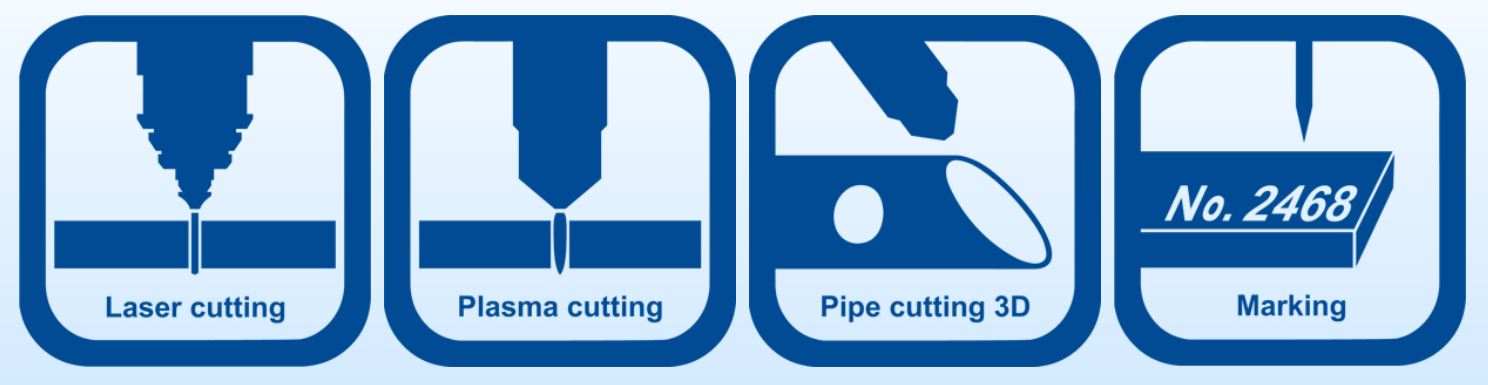
Laser cutting is the method of choice for very thin materials, where especially high cut quality and/or small holes and contours compared to the material thickness are more important than low cutting cost.
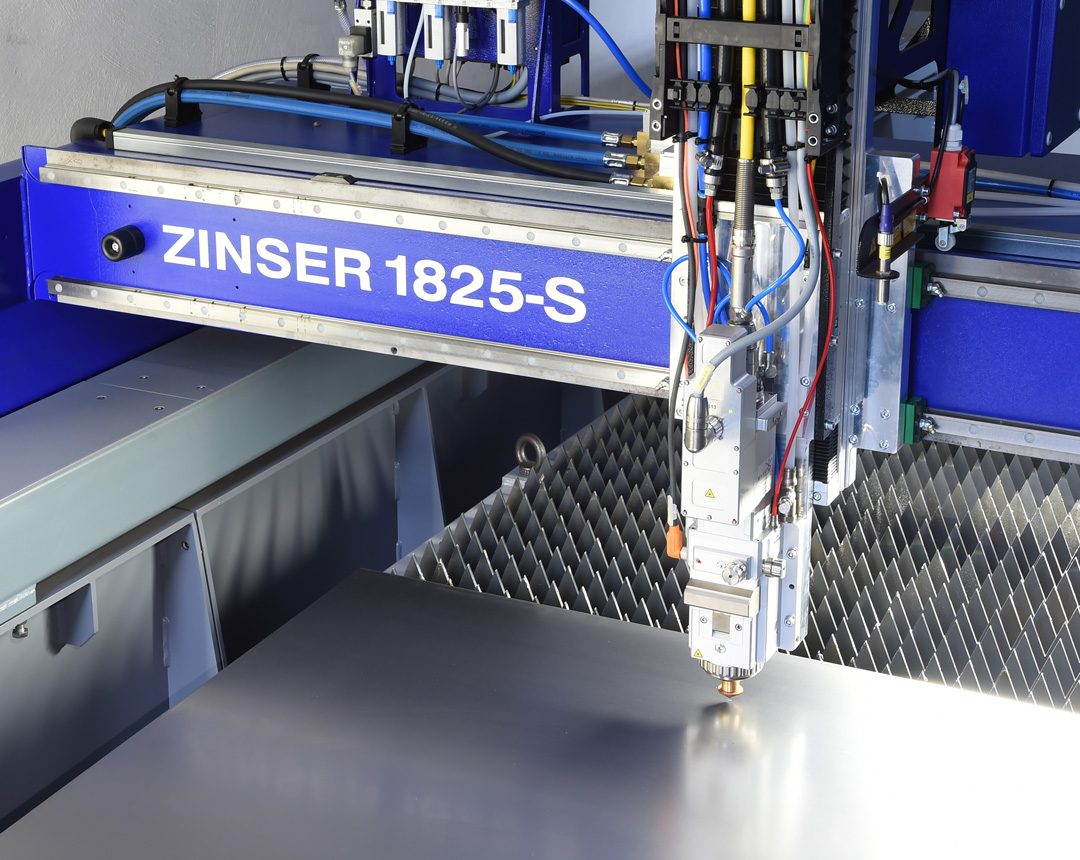
A laser ray is focus through a hole in the fuse onto the to-be-cut material and heats up the latter up to its melting temperature. Similar to plasma cutting, a gas jet subsequently blows the melted material out of the kerf.
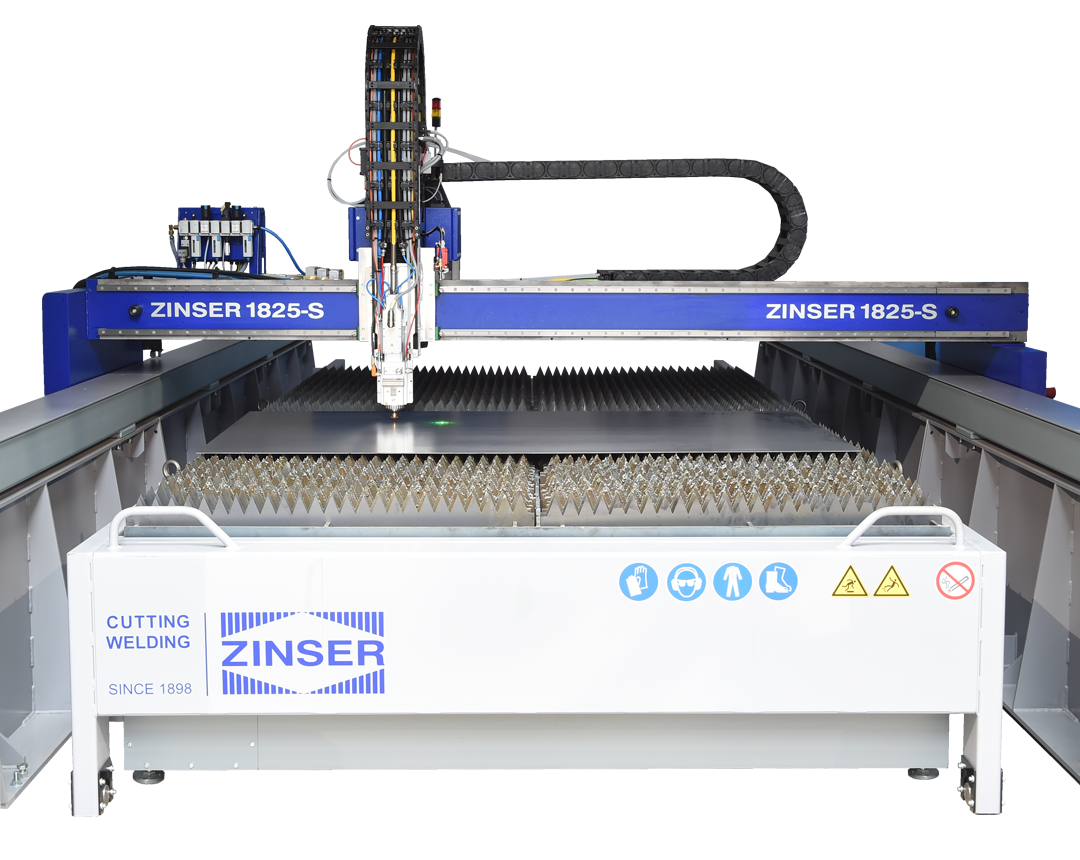
The ZINSER 1825-S Fiber Laser cutting system has been developed especially for laser cutting. All components of the machine are tailored to the specific requirements of this cutting process.
Advantages:
The laser beam is guided in glass fiber from the resonator to the beam generation system, therefore almost no maintenance is required.
- Suitable for material thicknesses between 0,1 mm and 25 mm (typically 1 mm to 20 mm)
- Very economical entry into the world of laser cutting
- Profitable even with only temporary capacity utilisation
- Low operating costs
- Minimum cutting costs in laser quality
- Lower operating and maintenance costs compared to plasma
Advantages of a solid state laser compared to a CO2- Laser:
- No adjustments and no maintenance of mirrors needed
- No need for gas purging of the beam path
- Higher efficiency
Details
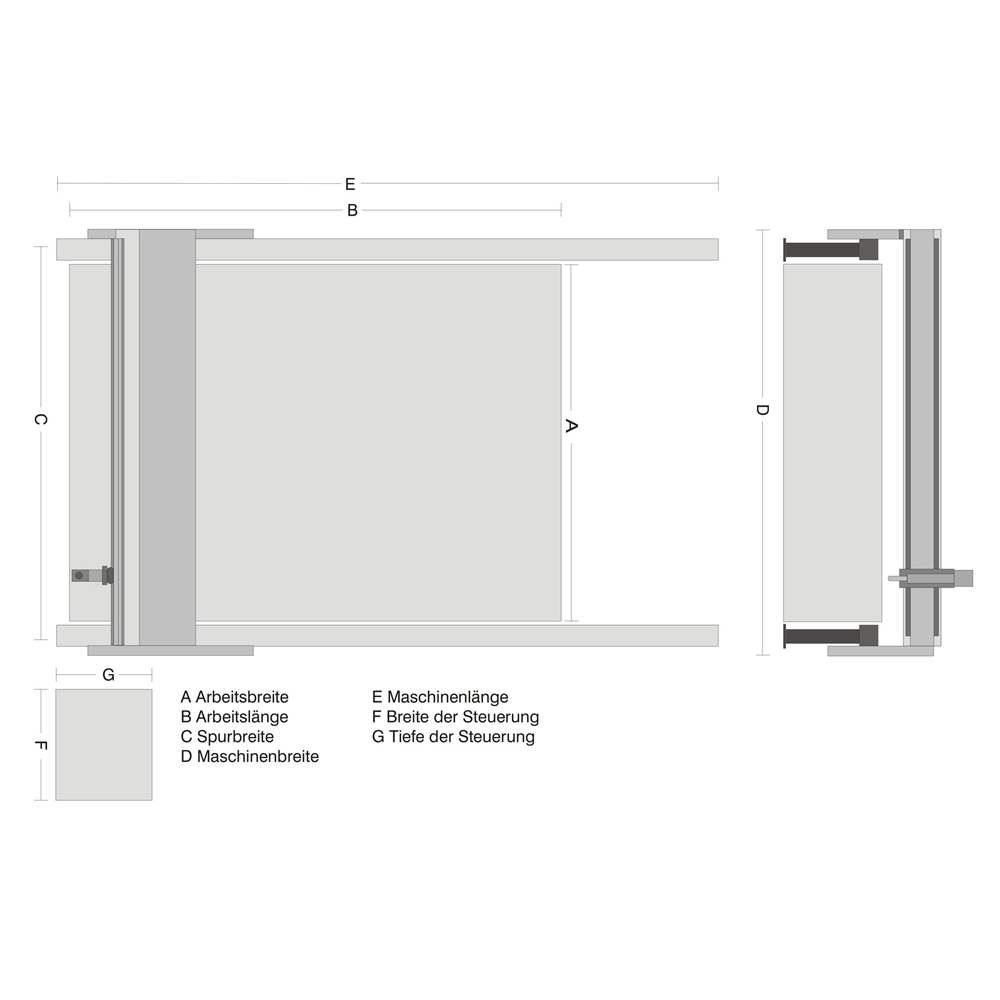
| Track width (C): | 1.685 – 4.685 mm (in 500 mm steps) |
|---|---|
| Working width (A): | with 1 torch: C -750mm |
| Machine width (D): | C + ~300 mm |
| Machine lenght (E): | Working length (B) + 1.800 mm |
| Max. number of torch carriers: | max. 2 |
| Cutting thickness: | depends on laser system |
| Drive: | AC – servo drives |
| Input voltage | 400 V / 50 Hz |
| Cutting speed: | up to 18,000 mm / min (depending on laser system) |